
Most people get heartburn now and then. When it happens most days, or keeps coming back despite treatment, it is worth seeing an acid reflux specialist. Essex patients can see Mr Naga Venkatesh Jayanthi to find the cause and plan the right next step.
What is Heartburn?
Heartburn is a burning sensation in the chest or throat caused by stomach acid rising up into the oesophagus (gullet). It is one of the most common digestive complaints in the UK, affecting around one in five people regularly.
When heartburn occurs frequently or severely, it is known as gastro-oesophageal reflux disease (GORD). Left untreated, persistent acid reflux can damage the lining of the oesophagus and, in some cases, lead to Barrett’s oesophagus, a pre-cancerous change in the lining.
Common triggers include coffee, alcohol, chocolate, tomatoes and fatty or spicy food. Being overweight, smoking, pregnancy, stress and some anti-inflammatory painkillers can make it worse, and a hiatus hernia is another possible cause.
What Are the Symptoms?
Symptoms of heartburn and acid reflux include:
- Burning sensation in the chest, especially after eating or lying down
- Acid or bitter taste in the mouth (regurgitation)
- Difficulty swallowing (dysphagia)
- Persistent cough or hoarse voice
- Bloating and feeling of fullness
- Worsening symptoms when bending over or lying flat
Warning Signs and When to Get Help
Heartburn on most days, or heartburn that pharmacy remedies do not touch, is worth a GP visit. Food sticking on the way down, frequent vomiting or weight loss without trying should be checked urgently, so call NHS 111 or ask your GP for an urgent slot. Dial 999 for chest pain that will not ease, spreads to an arm, the neck, jaw or back, or arrives with sweating, sickness or breathlessness. It may be your heart rather than reflux.
Diagnosis
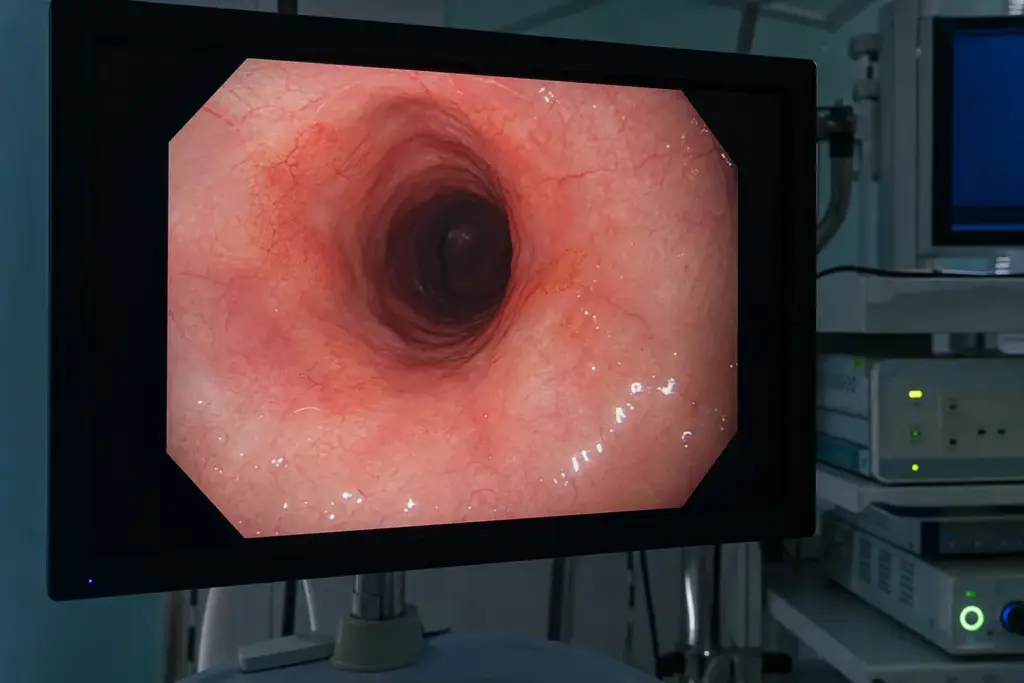
Diagnosis is often made on symptoms alone. Where further investigation is required, Mr Jayanthi may arrange an upper GI endoscopy to assess the lining of the oesophagus, and oesophageal manometry or 24-hour pH monitoring to measure acid exposure and oesophageal function.
Treatment
Mild heartburn can often be managed with lifestyle changes and over-the-counter antacids. For more persistent symptoms, proton pump inhibitors (PPIs) such as omeprazole are commonly prescribed, usually for 4 or 8 weeks to begin with.
For patients whose symptoms are severe or not controlled by medication, Mr Jayanthi offers laparoscopic anti-reflux surgery (fundoplication), a proven, long-term solution. He is a recognised RefluxUK specialist partner.