
A hernia often starts as a small lump that comes and goes. Mr Naga Venkatesh Jayanthi is a hernia specialist Essex patients can see for groin, belly button and scar hernias, and he plans a repair when one is needed.
What is a Hernia?
A hernia occurs when an internal organ or fatty tissue pushes through a weakness or gap in the surrounding muscle or connective tissue wall. Hernias are very common and can occur at various sites in the body, most frequently in the groin, abdomen, or around a previous surgical scar.
Common types include inguinal (groin) hernias, umbilical hernias, incisional hernias (at previous scar sites), and ventral hernias. A femoral hernia appears in the upper thigh, close to the groin. Most hernias will not improve on their own and will require surgical repair.
What Are the Symptoms?
Symptoms of a hernia typically include:
- A visible lump or bulge, particularly when standing, coughing, or straining
- Aching or discomfort at the site of the lump
- Pain or dragging sensation when lifting or bending
- A heavy or full feeling in the groin or abdomen
- Sudden severe pain if the hernia becomes strangulated, which is a surgical emergency
The lump often gets bigger when you cough or sneeze and smaller when you lie down. A large hernia is not always painful, so size alone does not tell you how urgent it is.
Warning Signs: When to Get Urgent Help
See your GP if you think you have a hernia. Contact NHS 111 straight away if the hernia becomes painful, your abdomen swells, you feel or are sick, you are constipated or you have a high temperature. Call 999 or go to A&E if the pain is very bad and will not go away, you cannot keep food down, the lump is more swollen than usual and the skin over it has changed colour, or you cannot pass wind or open your bowels. These can mean the blood supply to the bowel is blocked.
Diagnosis
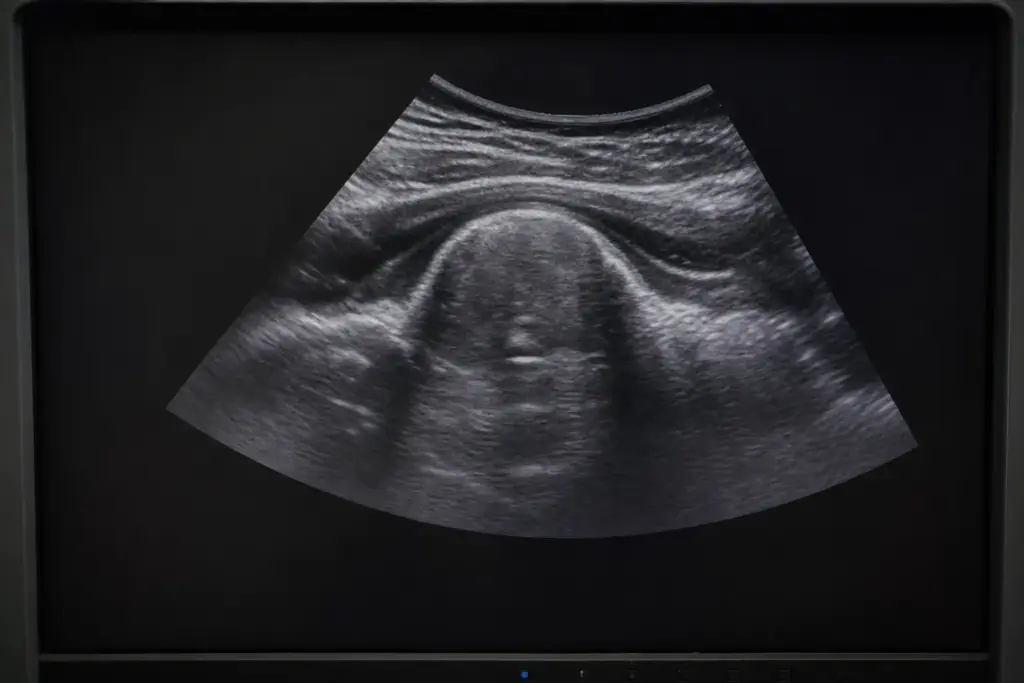
Most hernias can be diagnosed by clinical examination alone. In some cases, an ultrasound or CT scan may be arranged to confirm the diagnosis or assess the size and content of the hernia before planning surgery.
Treatment
Surgery is the only definitive treatment for a hernia. Mr Jayanthi performs laparoscopic (keyhole) hernia repair using modern mesh techniques, significantly reducing the risk of recurrence and offering a faster recovery than open surgery.
Keeping to a healthy weight, staying active and stopping smoking can lower the chance of some types of hernia. A cough that keeps coming back is worth getting checked too.
He trained as Senior Laparoscopic Fellow at the ICENI Centre, Colchester, one of the UK’s most respected centres for advanced keyhole surgery.