
Many people have a small hiatus hernia and never notice it. If heartburn, reflux or swallowing problems do not settle with medicines, Mr Naga Venkatesh Jayanthi can see you as a hiatus hernia specialist (Essex clinics at Springfield and Oaks hospitals) to confirm the cause and plan what comes next.
What is a Hiatus Hernia?
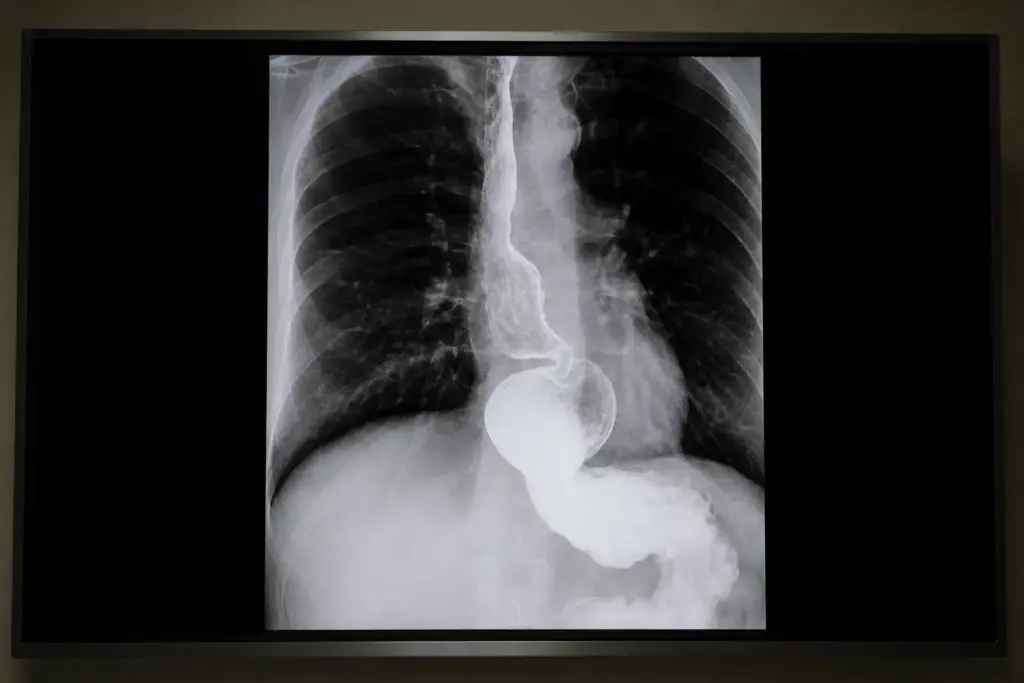
A hiatus hernia occurs when part of the stomach pushes up through an opening in the diaphragm (the hiatus) into the chest cavity. A small hiatus hernia is common and may cause no problems, but larger hernias can allow food and acid to back up into the oesophagus.
Hiatus hernias are more common in people over 50, those who are overweight, and in smokers. They are also more likely during pregnancy.
What Are the Symptoms?
Symptoms of a hiatus hernia include:
- Persistent heartburn and acid reflux
- Regurgitation of food or liquid into the mouth
- Difficulty swallowing (dysphagia)
- Chest pain or discomfort, especially after eating
- Feeling full quickly after eating
- Belching and bloating
- Shortness of breath in large hernias
Some people also notice bad breath or feel sick. These are the same symptoms as gastro-oesophageal reflux disease (GORD).
Warning Signs and When to Get Help
Book a GP appointment if symptoms last more than 3 weeks or pharmacy medicines make no difference. Get urgent GP help, or use NHS 111, when reflux comes with weight loss you cannot explain, swallowing that is getting harder, repeated vomiting, blood in your vomit or pain high in the abdomen. Chest pain that feels like squeezing or pressure, or that comes with sweating, sickness or breathlessness, needs a 999 call, as it could be a heart attack rather than the hernia.
Easing Symptoms at Home
Smaller, more frequent meals help, as does leaving 3 or 4 hours between your last meal and bedtime. Propping up the top of your bed by 10 to 20cm, avoiding tight waistbands, losing weight if needed and stopping smoking can also ease reflux.
Diagnosis
A hiatus hernia is usually diagnosed with an upper GI endoscopy or barium swallow X-ray. Mr Jayanthi may also arrange oesophageal manometry and 24-hour pH monitoring to assess the severity of reflux and plan the most appropriate surgical approach.
Treatment
Small, asymptomatic hiatus hernias may require no treatment. For patients with significant symptoms, surgery is the only way to correct the underlying problem.
Mr Jayanthi performs laparoscopic (keyhole) hiatus hernia repair, restoring the stomach to its correct position and performing a fundoplication to prevent reflux. He provides this service independently and as a RefluxUK specialist partner.