
What is a Hernia?
A hernia occurs when an internal organ or fatty tissue pushes through a weakness or gap in the surrounding muscle or connective tissue wall. Hernias are very common and can occur at various sites in the body most frequently in the groin, abdomen, or around a previous surgical scar.
Common types include inguinal (groin) hernias, umbilical hernias, incisional hernias (at previous scar sites), and ventral hernias. Most hernias will not improve on their own and will require surgical repair.
What Are the Symptoms?
Symptoms of a hernia typically include:
- A visible lump or bulge particularly when standing, coughing, or straining
- Aching or discomfort at the site of the lump
- Pain or dragging sensation when lifting or bending
- A heavy or full feeling in the groin or abdomen
- Sudden severe pain if the hernia becomes strangulated this is a surgical emergency
Diagnosis
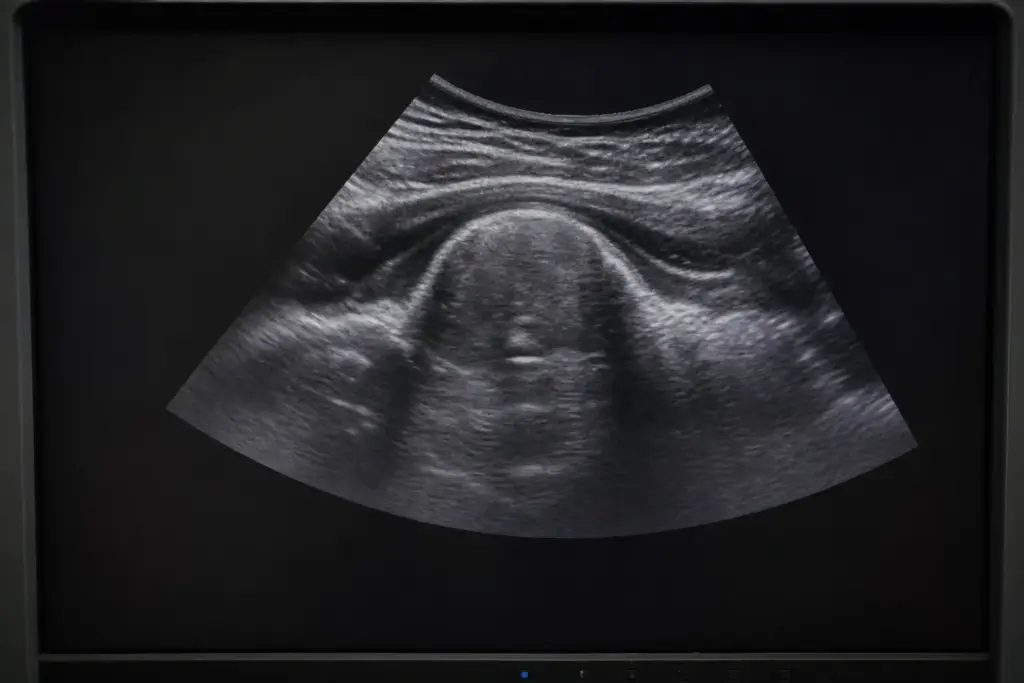
Most hernias can be diagnosed by clinical examination alone. In some cases, an ultrasound or CT scan may be arranged to confirm the diagnosis or assess the size and content of the hernia before planning surgery.
Treatment
Surgery is the only definitive treatment for a hernia. Mr Jayanthi performs laparoscopic (keyhole) hernia repair using modern mesh techniques significantly reducing the risk of recurrence and offering a faster recovery than open surgery.
He trained as Senior Laparoscopic Fellow at the ICENI Centre, Colchester, one of the UK’s most respected centres for advanced keyhole surgery.